

Product Informations: Infimab Injection
Information About Infimab Injection
In Rheumatoid arthritis Infimab Injection reduces pain, stiffness, and swelling in your joints and slows down the progression of bone and joint damage. This will help you do normal daily activities more easily and thus improve your quality of life. The medicine is given as an injection is given by a doctor or nurse and should not be self-administered. In Ankylosing spondylitis Ankylosing spondylitis is a rare type of arthritis that affects the spine or larger joints. It usually starts in your lower back and can spread up to your neck or damage joints in other parts of your body. Infimab Injection helps reduce pain, stiffness and swelling in your spine and joints. It helps improve flexibility and prevents disease progression. This will help you lead a better and active life. In Psoriasis Psoriasis is a condition where the skin cells in the body grow too quickly and form scales and dry patches. They can grow anywhere, but most appear on the scalp, elbows, knees, and lower back. Infimab Injection reduces the scaly, itchy patches which may develop on the different parts of the body. It may take several months to become fully effective. You should avoid drinking alcohol while having this treatment and drink plenty of water to stay hydrated. In Ulcerative colitis Ulcerative colitis is a disease of the large intestine (colon) and rectum in which the lining of the bowel becomes red and swollen. This can lead to bleeding, frequent diarrhea and abdominal pain. It relieves these symptoms and also helps you to stay well by preventing them from coming back. You should drink plenty of fluids while taking on treatment with this medicine to make sure you stay hydrated. In Crohn’s disease Crohn’s disease is a chronic (long-term) inflammatory disease of the intestines. The most common symptoms are diarrhea and pain in your abdomen. Infimab Injection helps reduce the inflammation, relieve the symptoms, and prevent them from coming back.
Benefits
Description
How to use
Common Side Effect
- Sinus inflammation
- Upper respiratory tract infection
- Infusion reaction
- Abdominal pain
- Sore throat
Safety Advice
Consuming alcohol with Infimab Injection does not cause any harmful side effects.
Infimab Injection may be unsafe to use during pregnancy. Although there are limited studies in humans, animal studies have shown harmful effects on the developing baby. Your doctor will weigh the benefits and any potential risks before prescribing it to you. Please consult your doctor.
Infimab Injection should be used with caution during breastfeeding. Breastfeeding should be held until the treatment of the mother is completed and the drug is eliminated from her body.
It is not known whether Infimab Injection alters the ability to drive. Do not drive if you experience any symptoms that affect your ability to concentrate and react.
There is limited information available on the use of Infimab Injection in patients with kidney disease. Please consult your doctor.
There is limited information available on the use of Infimab Injection in patients with liver disease. Please consult your doctor.
Missed dose
If you miss a dose of Infimab Injection, please consult your doctor.
How Its Works
Fact Box
Question and Answer
- Q. Q. Is Infimab Injection an immunosuppressant??
Ans: Yes, Infimab Injection is a type of immunosuppressant drug. It suppresses inflammation (pain and swelling) caused by your immune system in conditions like rheumatoid arthritis, etc. It works by recognizing and binding to certain special proteins in the body known as tumor necrosis factor (TNF alpha) which is responsible for causing inflammation. Blocking the TNF alpha helps suppress inflammation, pain and swelling. - Q. Q. Is Infimab Injection dangerous??
Ans: Infimab Injection acts on the immune system and may reduce your ability to fight infections. This may increase the risk of getting serious infections that may spread throughout the body. These infections may be life threatening and may need to be treated in a hospital. Therefore your doctor will monitor you for any infection before starting and during your treatment. Inform your doctor if you develop a fever or any other sign of infection while taking Infimab Injection. Furthermore, there are some reports which suggest that Infimab Injection may increase the risk of some types of cancer. However, remember that your doctor has prescribed this medicine to you because he has judged the benefits to you to be greater than any potential risks. Consult with your doctor if you have any further concerns. - Q. Q. How do I take Infimab Injection??
Ans: You will have to visit the hospital to get this medicine whenever you have a dose scheduled. Infimab Injection is an intravenous infusion that is given via a drip into a vein in your arm over a two hour period under the supervision of a healthcare professional. After your first treatment, you will be given a second infusion after 2 weeks and third infusion 4 weeks later. After that, usually another infusion is given in every 8 weeks. Please consult your doctor to know the schedule that suits your condition best. - Q. Q. Can Infimab Injection cause liver damage??
Ans: Yes, in rare cases the liver may be affected. Contact your doctor in case you experience fever, dark brown-colored urine, extreme tiredness (severe fatigue) and pain on the right side of your stomach area (right-sided abdominal pain). You must also inform your doctor if you develop jaundice (skin and eyes turn yellow). - Q. Q. Does Infimab Injection affect the heart??
Ans: Yes, Infimab Injection may cause heart problems though not in everyone. It may cause heart attack (which can even lead to death), decreased blood flow to the heart or abnormal rhythm of the heart. This generally occurs within 24 hours of beginning of infusion. Symptoms may include chest discomfort or pain, arm pain, stomach pain, shortness of breath or anxiety. Other symptoms may include lightheadedness, dizziness, fainting, sweating, nausea (feeling sick), vomiting, fluttering or pounding in your chest, a fast or a slow heartbeat, and swelling of your feet. Tell your doctor immediately if you experience these symptoms. - Q. Q. How soon can I experience relief in symptoms after taking Infimab Injection??
Ans: This varies from person to person depending on the condition. However, in most cases, while improvement in symptoms appears within 2 weeks of starting Infimab Injection, the maximum benefits may be noticed after 4 weeks. - Q. Q. Can you drink alcohol while taking Infimab Injection??
Ans: Though alcohol does not interfere with the working of Infimab Injection, it is best to avoid alcohol. Discuss with your doctor if you are not sure.
Marketer details
FDC Ltd | B-8, MIDC Area, Waluj - 431 136, Dist. Aurangabad, Maharashtra
Alternatives and Substitutes
1 AL AX 5mg/75mg Capsule
Marketer/Manufacturer: Abbott || ₹14.5/tablet (25% cheaper)
Customer Reviews
No customer reviews yet.
References
FDA approved prescribing information. Levocitrizine; 1995 [revised May 2007]. [Accessed 01 Apr. 2019] (online) Available from: Read More
European Medicne Agency. Revised assessment report: Ambroxol and bromhexine containing medicinal products. 2015. [Accessed 01 Apr. 2019] (online) Available from: Read More
ScienceDirect. Ambroxol. [Accessed 01 Apr. 2019] (online) Available from: Read More
Levocitrizine. Slough, Berkshire: UCB Pharma Limited; 2007 [revised 27 Mar. 2019]. [Accessed 01 Apr. 2019] (online) Available from: Read More
All Substitutes Product.
Remicade Injection
Marketer/Manufacturer: Janssen Pharmaceuticals || ₹14.5/tablet (25% cheaper)
Available options.
Same salt composition: Infliximab (100mg)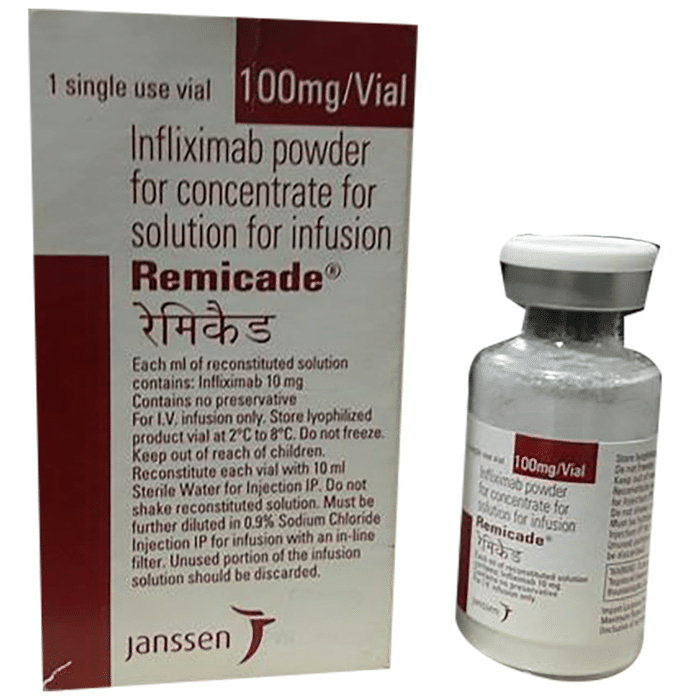
- Sale
Test Buy medical disposable face mask
to protect your loved ones


We want to give you 10% discount for your first order,
Use discount code at checkout


We want to give you 10% discount for your first order,
Use discount code at checkout